
In today’s world of architecture and interior design, there’s a noticeable shift toward openness, fluidity, and natural light. Modern spaces are no longer defined by heavy walls or boxed-in layouts. Instead, glass partitions are emerging as an elegant solution that transforms environments without sacrificing structure or function. Whether in homes, offices, or commercial spaces, glass partitions offer a seamless way to shape interiors while elevating aesthetic appeal.
Why Glass Partitions Are a Game-Changer in Modern Design
Glass partitions are more than just dividers — they are visual tools that create the illusion of openness while maintaining functionality. Unlike traditional walls that isolate spaces, glass allows environments to breathe. It maintains a sense of continuity, connecting rooms and people without visual obstruction.
One of the most notable features of glass is its ability to enhance natural light. When used strategically, glass partitions brighten interiors by allowing sunlight to reach even the farthest corners of a room. This not only reduces the need for artificial lighting but also contributes to improved mood and productivity.
Versatility is another key reason behind their popularity. Glass partitions adapt to almost any setting. From residential lofts and sleek offices to boutique hotels and high-end retail stores, they blend into various aesthetics with ease, adding both function and visual clarity.
Types of Glass Partitions for Modern Spaces
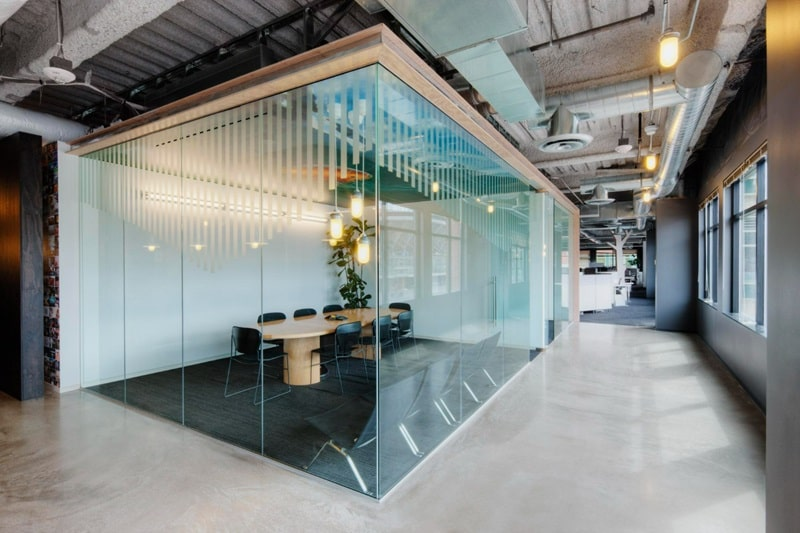
Among the many styles available, frameless glass partitions are particularly favored in contemporary design. Their seamless look and clean edges make them a popular choice for upscale environments. They dissolve visual barriers and make spaces appear larger and more luxurious.
For those who prefer a bolder, more industrial look, custom steel glass partitions offer strength and personality. They combine the refinement of glass with the robust framework of metal, creating a dramatic and stylish effect.
Sliding glass walls are gaining attention as well. These flexible systems can transform a room instantly, providing the ability to open up or section off areas as needed. Ideal for multifunctional spaces, they are often used in conference rooms or open-plan apartments.
In cases where privacy is essential, frosted or tinted glass serves a dual purpose. It allows light to pass through while subtly obscuring the view. This makes it perfect for bathrooms, private offices, or medical facilities where discretion is key.
How to Integrate Glass Partitions in Different Spaces
In office environments, glass partitions support collaboration while offering spaces for concentration. They allow visibility between teams but also define specific zones, such as meeting areas or private workspaces. Their sleek design adds a professional touch that impresses clients and fosters productivity.
At home, glass partitions can separate functions without closing off the room. For example, a frameless glass wall can divide a living room from the kitchen, creating visual distinction without the heaviness of a traditional wall. Bedrooms, home offices, or even walk-in closets can benefit from these sleek barriers that preserve light and openness.
Retail and hospitality industries also find tremendous value in glass. A boutique store can use partitions to section off collections while maintaining an open and luxurious ambiance. Hotels often use glass to divide spa areas, lounges, or private dining spaces, enhancing the guest experience without altering the overall layout.
Key Design Tips for Using Glass Partitions Effectively
Glass works beautifully on its own, but when combined with other materials such as wood, steel, or stone, it brings a richer texture to the space. The contrast between transparent surfaces and solid elements adds depth and sophistication.
Experimenting with transparency can lead to impressive results. Clear glass offers maximum openness, while frosted or textured panels can add character or improve privacy without sacrificing light. In creative spaces, colored or ribbed glass may serve as a design feature in itself.
Acoustic control is a crucial consideration, especially in busy offices or urban homes. Specialized glass options like laminated or double-glazed panels reduce sound transmission significantly, helping maintain a peaceful environment.
Maintenance and Durability Considerations
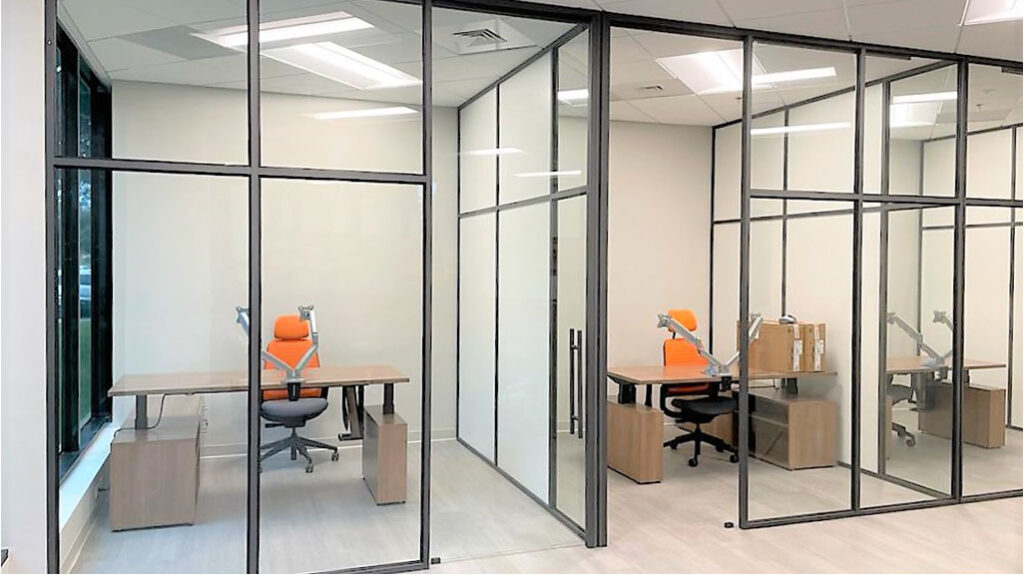
Despite their delicate appearance, glass partitions are highly durable when made from the right materials. Tempered and laminated safety glass options are designed to resist impact and provide long-term resilience. Their strength makes them suitable even in high-traffic areas.
Cleaning and maintenance are relatively simple. A soft cloth and a standard glass cleaner are typically enough to keep surfaces looking pristine. For extra clarity, anti-smudge coatings can be applied, especially in environments where fingerprints and stains are common.
The longevity of a glass partition also depends on professional installation. Proper sealing, alignment, and high-quality hardware ensure both performance and safety. Investing in experienced installers can make a significant difference in the final result.
Conclusion
Glass partitions have redefined the way we think about space. Their ability to create functional divisions without interrupting the flow of light or energy makes them an ideal choice for modern design. Whether you’re redesigning an office, upgrading a retail environment, or enhancing your home, these transparent structures offer elegance, efficiency, and endless versatility. When used wisely, they do more than separate — they connect, enhance, and transform the spaces we live and work in.