
Minimalist interior design has grown from a niche style into a widely embraced philosophy that shapes how many people live and feel in their homes. At its heart, minimalism is about more than just aesthetics—it’s a lifestyle choice that encourages simplicity, clarity, and tranquility. This guide explores the essence of minimalist interiors and offers practical advice for creating a home that feels clean, calm, and thoughtfully designed.
What is Minimalist Interior Design?
Minimalist interior design centers on the idea of “less is more.” It is defined by simplicity, functionality, and a deliberate reduction of clutter. The style emerged as a reaction to the excess and ornamental overload that characterized previous design movements. Instead of filling a space with many items or complicated details, minimalism focuses on essential elements that serve a purpose or bring genuine joy. This creates an atmosphere that feels spacious, orderly, and peaceful.
The key characteristics of minimalist interiors include clean lines, neutral color palettes, open spaces, and a restrained approach to decoration. Every object is carefully selected to contribute to the overall harmony of the room rather than compete for attention.
Benefits of Minimalist Interior Design
Living in a minimalist space has many advantages beyond just visual appeal. Removing unnecessary clutter fosters a clearer mind, making it easier to focus and relax. A tidy environment naturally reduces stress, providing a sanctuary away from the hectic pace of daily life. The simplicity of minimalist design also makes cleaning and maintenance far easier, as there are fewer surfaces and objects to manage.
Moreover, minimalism often aligns with sustainable living values. Choosing quality over quantity means investing in durable pieces that last longer and generate less waste. This approach helps reduce the environmental impact of constant consumption.
Essential Elements of Minimalist Interior Design
The hallmark of minimalist design is its soft, neutral color schemes. Whites, beiges, grays, and muted earth tones create a calm backdrop that soothes the senses. Natural light plays a crucial role as well, flooding rooms and enhancing the feeling of openness. Furnishings are selected for their clean shapes and multi-functionality, with an emphasis on form following function.
Decorations are sparse but intentional. Instead of filling every surface, minimalism favors a few well-chosen accents—such as a simple vase or a piece of art—that add character without cluttering. Geometric shapes and smooth textures further define the space with subtle elegance.
How to Achieve Minimalism in Your Home
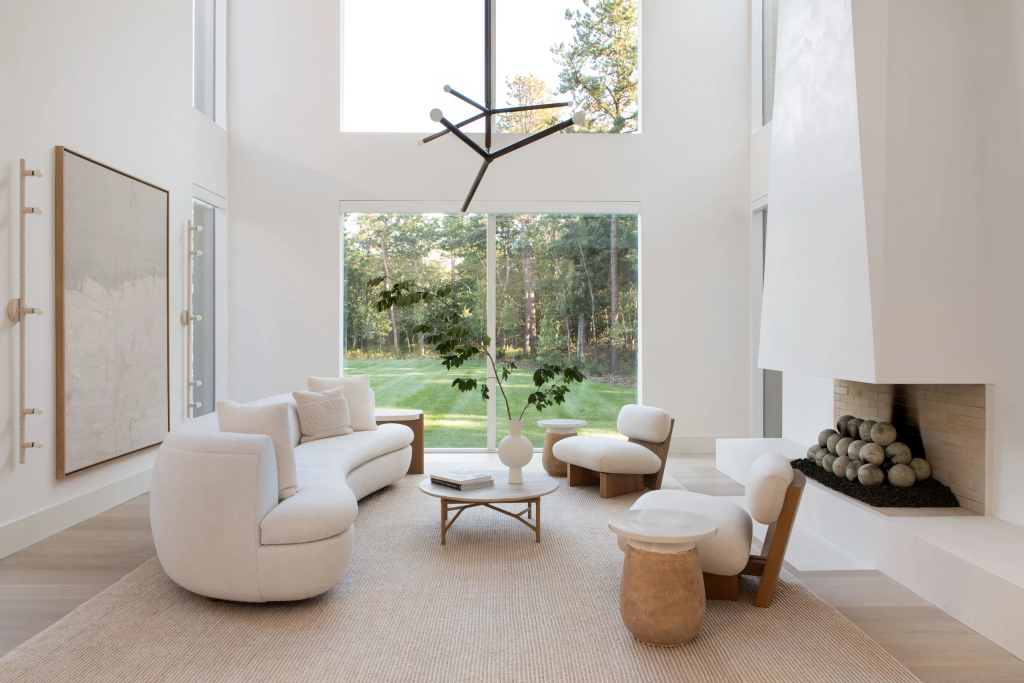
The journey to a minimalist home begins with decluttering, which means making mindful decisions about what to keep. Focus on items that serve a practical purpose or evoke positive feelings. This process requires honesty and can be quite liberating. After clearing out excess belongings, opt for furniture that can do double duty, such as a sofa bed or a storage ottoman, to maximize space.
Organizing your storage areas thoughtfully helps keep everyday clutter out of sight, maintaining the clean look minimalism demands. Incorporating natural materials like wood, stone, or linen adds warmth and texture, preventing the space from feeling cold or sterile. Instead of overwhelming a room with many details, create a single focal point—such as a large window with a view or a minimalist artwork—that draws the eye gently.
Common Mistakes to Avoid in Minimalist Design
Minimalism is not about creating a cold, empty space devoid of personality. One common mistake is overdoing the emptiness to the point where the home feels unwelcoming. Balance is key: a minimalist interior should feel cozy and inviting, not barren. Another pitfall is introducing too many colors or patterns, which can distract from the calming intent of the design.
It’s also important not to sacrifice comfort or personal style for the sake of minimalism. The home should reflect its inhabitants, so minimalist design must work around your lifestyle rather than restrict it. Finally, functionality should always take precedence over pure aesthetics—after all, a beautiful room that doesn’t serve your needs isn’t truly minimal.
Minimalist Design Inspiration by Room
Each room in your home offers unique opportunities to embrace minimalist principles while tailoring the space to its function. In the living room, choose sleek seating with subtle upholstery and avoid overcrowding with accessories. The bedroom should evoke calmness through soft hues and minimal furniture that encourages restfulness.
Kitchens thrive with clear countertops, integrated appliances, and hidden storage to maintain a streamlined look. Bathrooms benefit from simple fixtures and natural materials like stone or wood to enhance serenity. For a home office, organization and distraction-free surfaces help create an environment conducive to productivity and focus.
Minimalism Beyond Interiors: Lifestyle Tips
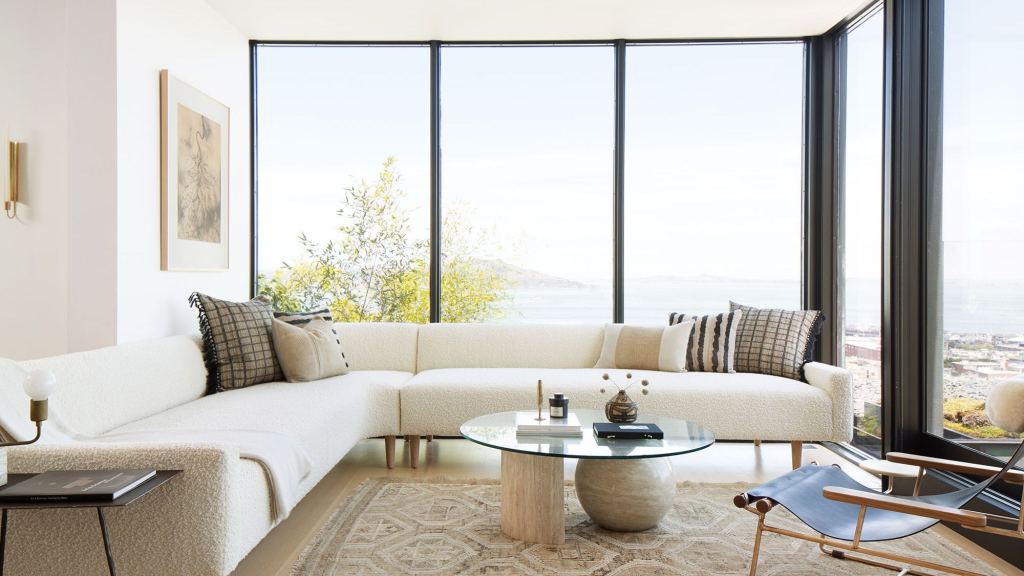
Minimalist interior design often goes hand in hand with a minimalist lifestyle. Simplifying your environment encourages mindfulness and intentional living. It can inspire you to reduce consumerism by focusing on quality rather than quantity and appreciating what you already own.
Maintaining minimalism requires consistent effort and awareness—regularly evaluating possessions and habits to avoid slipping back into clutter. Ultimately, the minimalist home becomes a reflection of a calm, balanced mindset that supports well-being in many aspects of life.
Conclusion
Minimalist interior design offers a timeless and refreshing approach to living spaces. By focusing on simplicity, functionality, and intentionality, you can create a home that feels clean, calm, and deeply personal. The process of adopting minimalism is not about perfection but about making thoughtful choices that bring peace and clarity to your daily life. Start small, embrace what resonates with you, and let your space breathe.